The Curator's collection
Cities, systems, escape routes
Books about power close enough to touch, and the exits people make for themselves.
curator
@curator
official curation · tomeful
01
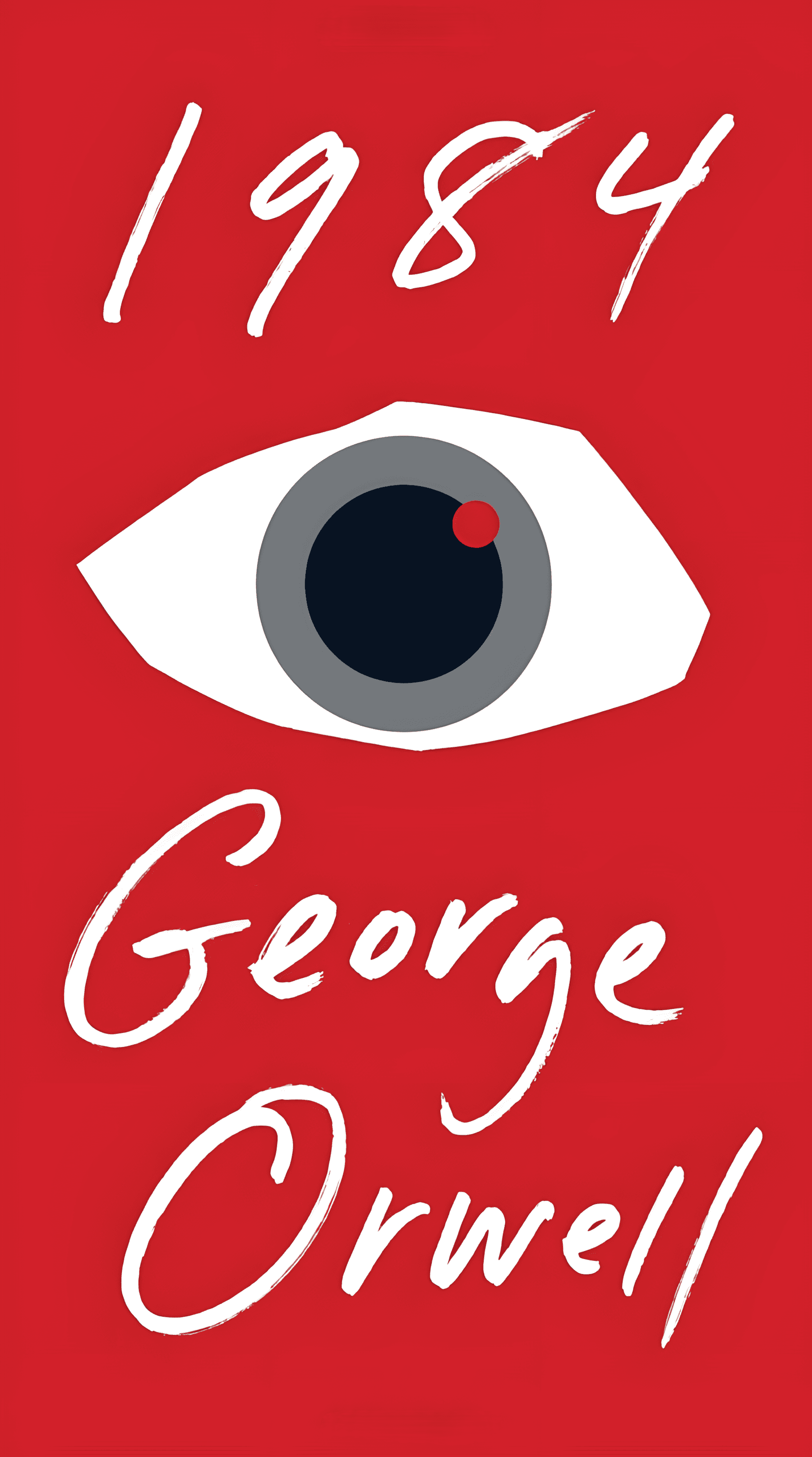
1984
“A warning label that still reads like a novel.”
Winston Smith toes the Party line, rewriting history to satisfy the demands of the Ministry of Truth. With each lie he writes, Winston grows to hate the Party that seeks power for its own sake and persecutes those who dare to commit thoughtcrimes. But as he starts to think for himself, Winston can’t escape the fact that Big Brother is always watching... A startling and haunting novel, 1984 creates an imaginary world that is completely convincing from start to finish. No one can deny the novel’s hold on the imaginations of whole generations, or the power of its admonitions—a power that seems to grow, not lessen, with the passage of time.
FictionClassicsScience fictionFantasyLiterary fiction
02
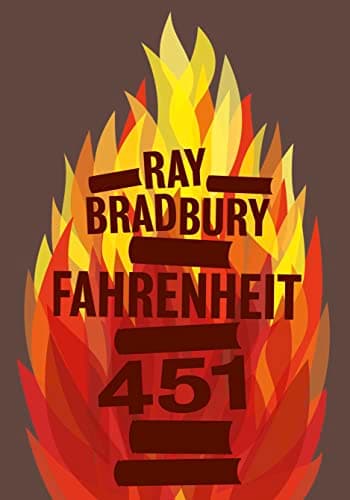
Fahrenheit 451
“For an evening when the temperature needs to rise.”
Guy Montag is a fireman. His job is to burn books, which are forbidden, being the source of all discord and unhappiness. Even so, Montag is unhappy; there is discord in his marriage. Are books hidden in his house? The Mechanical Hound of the Fire Department, armed with a lethal hypodermic, escorted by helicopters, is ready to track down those dissidents who defy society to preserve and read books. The classic dystopian novel of a post-literate future, Fahrenheit 451 stands alongside Orwell’s 1984 and Huxley’s Brave New World as a prophetic account of Western civilization’s enslavement by the media, drugs and conformity. Bradbury’s powerful and poetic prose combines with uncanny insight into the potential of technology to create a novel which, decades on from first publication, still has the power to dazzle and shock.
FictionScience fictionClassicsFantasyHistory
03
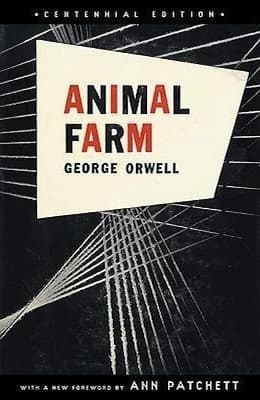
Animal Farm
“A short book with a very long shadow.”
Animal Farm is a brilliant political satire and a powerful and affecting story of revolutions and idealism, power and corruption. 'All animals are equal. But some animals are more equal than others.' Mr Jones of Manor Farm is so lazy and drunken that one day he forgets to feed his livestock. The ensuing rebellion under the leadership of the pigs Napoleon and Snowball leads to the animals taking over the farm. Vowing to eliminate the terrible inequities of the farmyard, the renamed Animal Farm is organised to benefit all who walk on four legs. But as time passes, the ideals of the rebellion are corrupted, then forgotten. And something new and unexpected emerges..
ClassicsFictionFantasyLiterary fictionScience fiction
04
The City We Became
“A city remade by the people who have to live in it.”
"Five New Yorkers must come together in order to save their city from destruction in the first book of a stunning new series by Hugo award-winning and NYT bestselling author N. K. Jemisin. Every great city has a soul. Some are ancient as myths, and others are as new and destructive as children. New York? She's got six. When a young man crosses the bridge into New York City, something changes. He doesn't remember who he is, where he's from, or even his own name. But he can feel the pulse of the city, can see its history, can access its magic. And he's not the only one. All across the boroughs, strange things are happening. Something is threatening to destroy the city and her six newborn avatars unless they can come together and stop it once and for all"--
Fiction
05
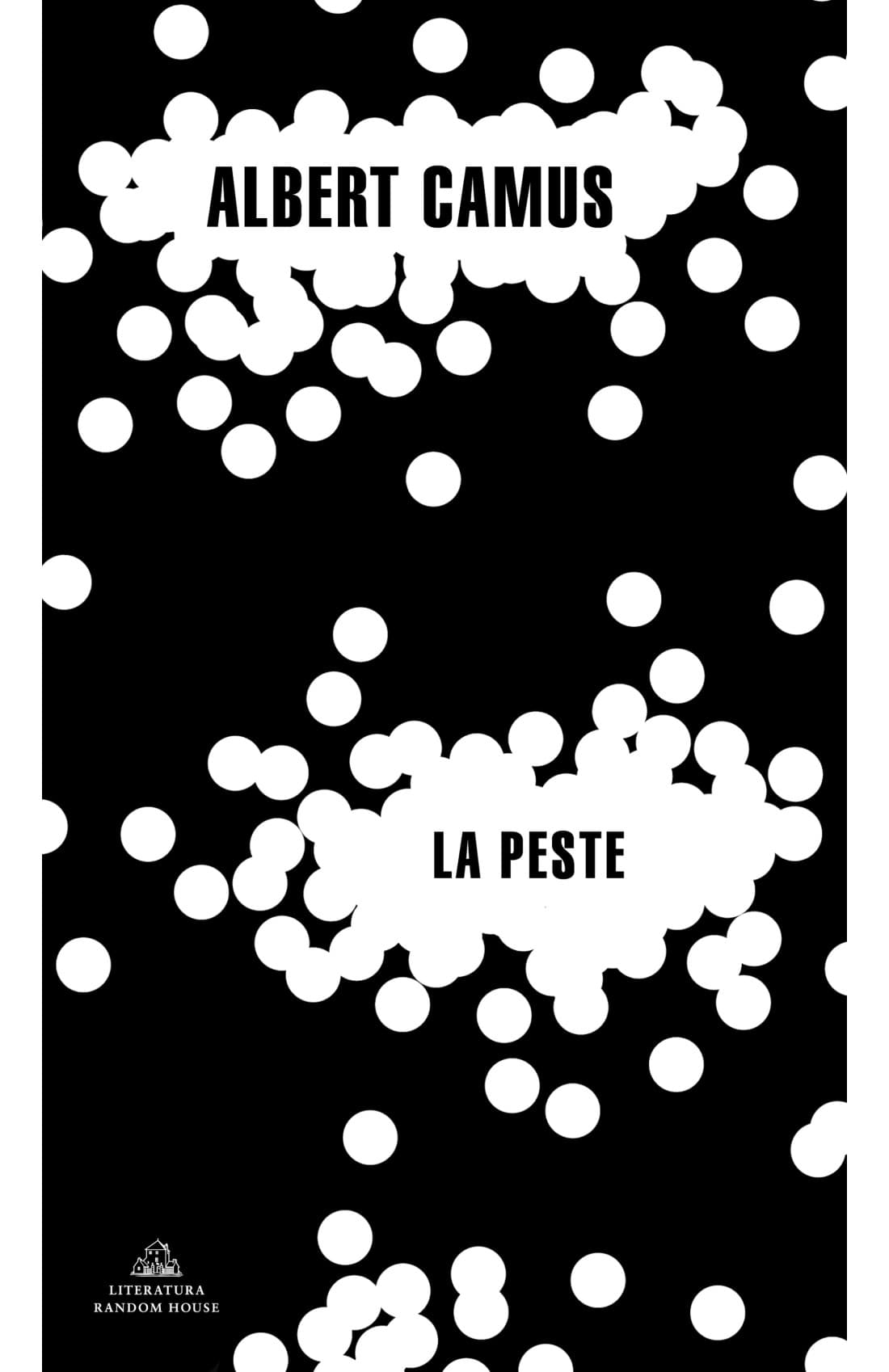
The Plague
“A collective crisis, held at human scale.”
The Plague (French: La Peste) is a novel by Albert Camus, published in 1947, that tells the story of a plague sweeping the French Algerian city of Oran. It asks a number of questions relating to the nature of destiny and the human condition. The characters in the book, ranging from doctors to vacationers to fugitives, all help to show the effects the plague has on a populace.
FictionClassicsScience fictionFantasyHistory
06
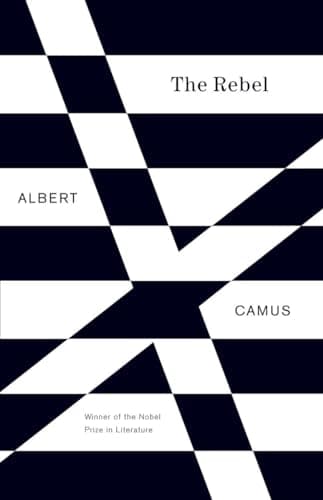
The Rebel
“A companion for arguments that should remain alive.”
By one of the most profoundly influential thinkers of our century, The Rebel is a classic essay on revolution. For Albert Camus, the urge to revolt is one of the "essential dimensions" of human nature, manifested in man's timeless Promethean struggle against the conditions of his existence, as well as the popular uprisings against established orders throughout history. And yet, with an eye toward the French Revolution and its regicides and deicides, he shows how inevitably the course of revolution leads to tyranny. As old regimes throughout the world collapse, The Rebel resonates as an ardent, eloquent, and supremely rational voice of conscience for our tumultuous times. Translated from the French by Anthony Bower.
HistoryClassicsFiction